
Research from Harvard T.H. Chan School of Public Health suggests that nutrition influences many processes related to skin function, including inflammation, hydration, and tissue repair. While skincare products and cosmetic treatments often receive the most attention, growing evidence indicates that healthy-looking skin is influenced by a combination of internal and external wellness practices. As a result, conversations about appearance increasingly include discussions about diet, stress management, sleep quality, and self-care.
Interest in holistic wellness has encouraged a broader view of skin health. Educational resources from wellness providers such as Amenity Day Spa often appear alongside discussions about nutrition, relaxation, hydration, and personal care. Rather than focusing on a single solution, researchers and wellness professionals increasingly recognize that skin appearance is shaped by multiple lifestyle factors working together over time.
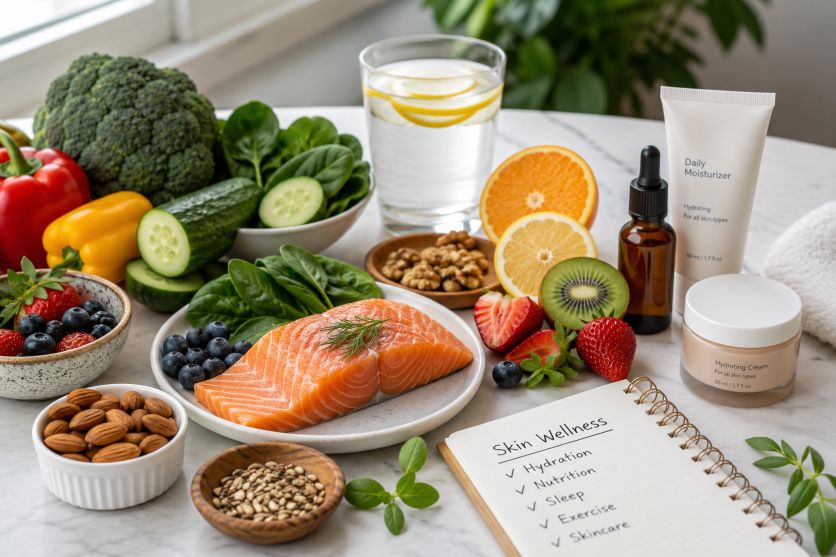
Why Skin Health Is Increasingly Viewed Through a Wellness Lens
Many people seek solutions for concerns such as dryness, uneven texture, breakouts, or signs of aging. The challenge is that these issues are often influenced by more than what is applied to the skin’s surface. Factors such as dietary habits, chronic stress, sleep quality, physical activity, and environmental exposure can all affect skin function.
Experts note that skin serves as a protective barrier and requires adequate nutrients, hydration, and recovery to function effectively. At the same time, prolonged stress may contribute to inflammation and disrupt normal biological processes that influence appearance.
This growing understanding has led to a wellness-focused approach that considers both internal health and external care. Instead of viewing skincare as an isolated practice, many individuals now see it as one component of a broader lifestyle strategy designed to support long-term well-being.
Scientific Evidence Linking Diet, Stress, and Skin Function
Scientific studies continue to explore the relationship between dietary patterns and skin health. Research published through the National Institutes of Health has examined how nutrition may affect inflammatory responses, skin barrier function, and certain dermatological conditions.
Data indicates that diets rich in fruits, vegetables, whole grains, legumes, and healthy fats provide nutrients that help support normal cellular function. Antioxidants found in many plant-based foods may help protect cells from oxidative stress caused by environmental factors.
Research also suggests that high-glycemic diets may contribute to hormonal and inflammatory responses associated with acne in some individuals. The American Academy of Dermatology Association notes that while dietary influences vary from person to person, nutrition remains an area of active scientific interest.
Stress is another important factor. Experts from organizations such as the American Psychological Association have highlighted the connection between chronic stress and physical health. Elevated stress levels may influence sleep quality, inflammatory responses, and overall wellness, all of which can indirectly affect skin appearance.
These findings support a more comprehensive perspective. Healthy eating habits and stress management practices may work together to support skin wellness rather than functioning as separate strategies.
Foods Commonly Associated With Hydration, Collagen Support, and Inflammation Management
Certain foods are frequently discussed in relation to skin health because they provide nutrients involved in hydration, tissue maintenance, and inflammatory regulation.
Foods Associated With Hydration
- Watermelon
- Cucumber
- Strawberries
- Oranges
- Celery
- Lettuce
These foods contain high water content and contribute to overall hydration. Research from the Centers for Disease Control and Prevention supports the importance of fruit and vegetable consumption as part of a healthy dietary pattern.
Foods Associated With Collagen Support
- Citrus fruits
- Bell peppers
- Kiwi
- Broccoli
- Tomatoes
- Leafy greens
Vitamin C plays an important role in collagen synthesis. Experts note that consistent intake of nutrient-rich foods may help support the body’s natural maintenance processes.
Foods Associated With Inflammation Management
- Salmon and other fatty fish
- Walnuts
- Flaxseeds
- Olive oil
- Berries
- Leafy green vegetables
The Mayo Clinic notes that dietary patterns rich in these foods are commonly associated with overall wellness and reduced inflammatory markers.
How Wellness Practices May Complement Healthy Nutrition
Nutrition is only one part of the wellness equation. Many lifestyle practices that support general health may also contribute to healthier-looking skin.
Sleep plays a critical role in recovery and tissue repair. During sleep, the body performs important restorative functions that support overall health. Consistent sleep habits are therefore frequently included in discussions about skin wellness.
Stress management is another important consideration. Relaxation activities such as meditation, massage, mindfulness practices, and other self-care routines may help support emotional well-being. While these practices are not direct treatments for skin concerns, they can contribute to overall wellness by helping individuals manage everyday stress.
Spa and wellness environments are often designed to encourage relaxation, hydration, and self-care. Treatments focused on skincare, massage, and wellness experiences may complement healthy lifestyle habits by supporting stress reduction and encouraging consistent personal care routines.
This combined approach reflects a growing trend in wellness culture: recognizing that appearance-related goals are often connected to broader health and lifestyle choices.
Why Diet Alone Cannot Solve Every Skin Concern
Although nutrition plays an important role in overall health, diet alone cannot address every aesthetic concern. Genetics, hormonal fluctuations, aging, environmental exposure, and underlying medical conditions all contribute to skin characteristics.
For example, concerns related to sun damage, pigmentation changes, deep wrinkles, or certain dermatological conditions may require professional evaluation. Topical skincare products, preventive measures such as sunscreen, and professional treatments often remain important parts of comprehensive skin care strategies.
This creates an important balance. Healthy eating habits can support skin function, but expecting nutrition alone to eliminate complex concerns may lead to unrealistic expectations.
The most practical solution is to view nutrition as one element within a broader wellness plan that includes skincare, stress management, physical activity, sleep, and professional guidance when appropriate.
Wellness Providers and the Growing Focus on Lifestyle-Based Skin Health
The wellness industry increasingly promotes education around healthy habits rather than focusing solely on appearance. Wellness centers, skincare professionals, registered dietitians, healthcare providers, and fitness specialists often contribute different perspectives to discussions about long-term well-being.
Many wellness providers encourage individuals to consider how nutrition, hydration, stress management, recovery, and self-care habits interact with skincare goals. This broader conversation reflects a shift away from quick fixes and toward sustainable lifestyle practices.
As consumers become more interested in holistic wellness, the relationship between healthy living and appearance continues to attract attention from researchers, healthcare professionals, and wellness organizations alike.
READ ALSO: What Your Skin Says About Your Diet: Signs to Watch For
Practical Considerations for Combining Nutrition and Personal Care Strategies
Individuals interested in supporting skin health can benefit from realistic and sustainable habits that address both internal and external factors.
- Eat a variety of nutrient-rich fruits and vegetables.
- Include adequate protein sources in daily meals.
- Choose healthy fats such as olive oil, nuts, and fatty fish.
- Stay adequately hydrated throughout the day.
- Maintain consistent sleep habits.
- Practice stress-management techniques.
- Follow a regular skincare routine.
- Consider wellness activities that support relaxation and recovery.
- Seek professional guidance for persistent skin concerns.
Nutrition and wellness practices are most effective when viewed as complementary rather than competing approaches. Current evidence suggests that healthy-looking skin is influenced by a combination of diet, hydration, stress management, personal care, and biological factors. By taking a balanced approach, individuals can support both their overall wellness and their appearance while maintaining realistic expectations about results.